Moving to a new country is rarely as simple as booking a flight and packing your bags. Albania surprises most expats in ways they never expect, from the warmth of local hospitality to the complexity of navigating bureaucratic paperwork. Housing costs are significantly lower than in Western Europe, yet finding the right neighborhood takes real local knowledge. Transportation works differently here, and cultural norms can catch even experienced travelers off guard. This guide walks you through every major step of your relocation, covering culture, housing, transportation, and everyday lifestyle so you can settle in with confidence and fewer costly surprises.
Table of Contents
- Preparing for your move: What to know before leaving
- Settling in: Housing options and finding your home
- Getting around: Transportation options and tips
- Adapting to lifestyle: Culture, daily life, and local experiences
- What most guides miss about relocating to Albania
- Get more expert advice and resources for your Albanian relocation
- Frequently asked questions
Key Takeaways
| Point | Details |
|---|---|
| Essential preparation | Check visa requirements and gather crucial documents before your move. |
| Housing flexibility | Explore different neighborhoods and housing styles to find the best fit. |
| Transportation options | Compare local transit and car rental to choose the most convenient method. |
| Cultural adaptation | Embrace Albanian customs and language to enrich your daily life. |
| Build connections | Join expat and community groups to find support and make friends. |
Preparing for your move: What to know before leaving
The paperwork alone can feel overwhelming, but getting organized early makes everything smoother. Albania allows citizens of many countries to enter visa-free for up to 90 days, but long-term stays require a residence permit. You will need a valid passport, proof of income or employment, health insurance documentation, and in some cases a clean criminal background check. Start this process at least three months before your planned move date.
Cultural preparation matters just as much as legal documents. Albanians are famously hospitable, and refusing a meal or coffee from a host is considered rude. Learning even a handful of Albanian phrases, like faleminderit (thank you) and mirëdita (good day), signals genuine respect and opens doors. Social life here revolves around family and community, so adapting your expectations around schedules and personal boundaries will serve you well.
When it comes to what to pack, think minimally. Electronics, clothing, and basic household goods are all available locally, often at lower prices than back home. What is harder to find locally includes specialty medications, specific international food brands, and high-end professional equipment. Bring a three-month supply of any prescription medication and originals of all your key documents.
| Task | Recommended timeline |
|---|---|
| Gather legal documents | 3 months before move |
| Research neighborhoods | 2 months before move |
| Arrange temporary housing | 6 weeks before move |
| Set up bank account | First 2 weeks after arrival |
| Apply for residence permit | Within 30 days of arrival |
Schools, especially international ones, often have waiting lists. If you have children, contact schools as early as six months in advance. For essential services like internet, utilities, and a local SIM card, plan for setup times of one to two weeks after arrival.
Pro Tip: Always check Albania travel tips for updated entry requirements before departure, since regulations can shift with little notice. You can also review the complete travel guide for a broader overview of what to expect on arrival.
Settling in: Housing options and finding your home
Housing in Albania is genuinely affordable compared to most of Europe, but the market operates differently than what most expats are used to. Listings are often informal, landlords may prefer cash payments, and lease agreements are not always standardized. Knowing what to expect prevents you from overpaying or signing a bad deal.
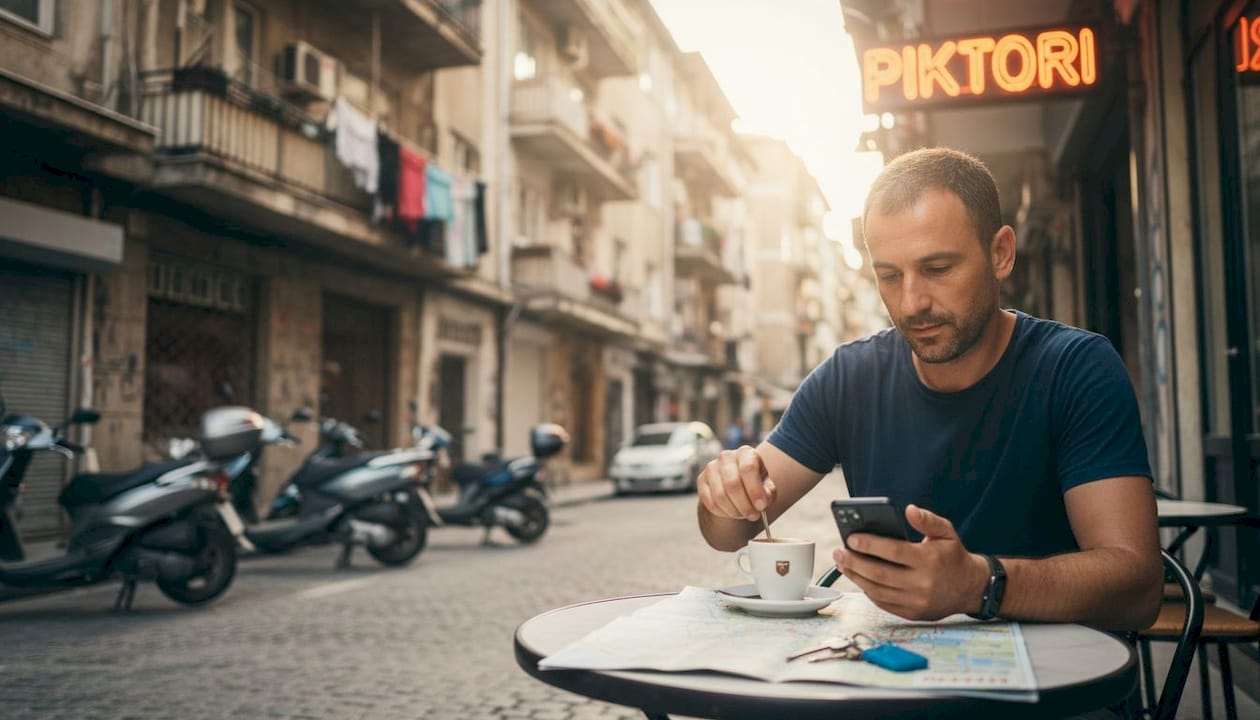
Tirana is the most popular city for expats, with neighborhoods like Blloku offering cafes, international restaurants, and a cosmopolitan feel. Sarandë attracts those drawn to the coast, while Shkodër and Gjirokastër appeal to expats who prefer a quieter, more traditional setting. Each area has its own character, price range, and practical trade-offs.
| Neighborhood | Average monthly rent | Best for |
|---|---|---|
| Blloku, Tirana | €400 to €700 | Urban professionals |
| Sarandë | €300 to €500 | Coastal lifestyle |
| Shkodër | €200 to €350 | Budget-conscious expats |
| Gjirokastër | €150 to €300 | Culture seekers |
Here is what to look for when evaluating a property:
- Furnished vs. unfurnished: Furnished apartments cost more monthly but save significant upfront costs.
- Utilities included: Always clarify whether water, electricity, and internet are bundled into the rent.
- Building condition: Older buildings may lack reliable hot water or consistent heating in winter.
- Proximity to transit: Access to buses or main roads matters more than you might think.
- Lease length: Short-term leases are available but often come at a premium.
Negotiating with landlords is normal and expected. Most landlords will accept a lower monthly rate if you offer a longer commitment or pay several months upfront. Always get the lease in writing, even if it feels informal.
Pro Tip: Use trusted local real estate agents and consult expat Facebook groups for honest neighborhood reviews. For short-term options while you search, the short-term housing guide offers practical alternatives, and understanding car rental types can help you stay mobile during your search period.
Getting around: Transportation options and tips
Albania’s transportation network is functional but requires patience. In Tirana, urban buses cover most major routes at very low fares, typically around 40 Albanian lek per trip (roughly €0.35). Taxis are widely available and affordable, though always agree on a price before getting in or use the official Bolt app to avoid overcharging.
Regional buses, called furgons, connect cities and towns across the country. They are cheap and frequent but do not always run on fixed schedules. For longer distances, renting a car gives you far more freedom, especially if you plan to explore coastal roads or mountain regions.
| Transport type | Best for | Approximate cost |
|---|---|---|
| Urban bus | Daily city commute | €0.35 per trip |
| Taxi or Bolt | Short trips, airport runs | €3 to €10 |
| Furgon | Intercity travel | €2 to €8 |
| Car rental | Regional exploration | €25 to €60 per day |
If you plan to drive, here are the key rules to know:
- Drive on the right side of the road.
- Speed limits are 50 km/h in urban areas and 110 km/h on highways.
- Seatbelts are mandatory for all passengers.
- Using a phone while driving is illegal and heavily fined.
- Carry your passport or national ID at all times.
Road conditions outside major cities can be unpredictable. Potholes, unmarked speed bumps, and livestock crossing the road are real hazards. Drive defensively and never assume the road ahead is clear.
For expats who plan to rent a car regularly, understanding the fine print matters. Review car rental policies before signing anything, compare local car rental prices to avoid overpaying, and read the full expat car rental guide for practical advice tailored to long-term residents.
Pro Tip: Always read rental agreements line by line. Hidden fees for fuel policies, border crossing restrictions, or additional driver charges can add up fast.
Adapting to lifestyle: Culture, daily life, and local experiences
Albanian daily life moves at its own rhythm, and the sooner you embrace it, the happier you will be. Lunch is the main meal of the day, often eaten between 1 and 3 PM. Shops and businesses may close for a midday break, so plan errands accordingly. Evenings are social, with families and friends gathering in cafes or along the xhiro, the traditional evening stroll.
Key cultural points every expat should know:
- Hospitality is serious: Guests are treated with great care. Bring a small gift when visiting someone’s home.
- Nodding means no: In Albania, a head nod can mean no, while a head shake can mean yes. It catches nearly every newcomer off guard.
- Religious tolerance: Albania has a long tradition of interfaith harmony. Respect for all religious practices is deeply embedded in local culture.
- Cash is still king: Many small shops, markets, and landlords prefer cash over cards.
- National holidays: Key dates include Independence Day on November 28 and Liberation Day on November 29. Expect closures and celebrations.
For food, Albanian cuisine is hearty, fresh, and deeply regional. Dishes like tavë kosi (baked lamb with yogurt) and byrek (savory pastry) are everyday staples. Exploring traditional Albanian food is one of the most rewarding parts of expat life here. Markets are the best place to shop for fresh produce, meat, and cheese at prices that will genuinely surprise you.
Building a social life takes intentional effort. Expat communities exist in Tirana and coastal towns, and online groups are active. Joining a language exchange, a sports club, or a volunteer organization accelerates your integration faster than any checklist. For inspiration on exploring beyond the city, the Berat travel experience shows how rewarding a weekend road trip can be.
Pro Tip: Attend at least one local community event in your first month. It builds trust, introduces you to neighbors, and gives you an honest feel for the area you have chosen.
What most guides miss about relocating to Albania
Most relocation guides focus on checklists. Documents, housing, transport, done. What they rarely mention is the emotional texture of actually living here, and that is where most expats either thrive or struggle.
The biggest misconception is that Albania is simply a cheaper version of Southern Europe. It is not. It has its own pace, its own logic, and its own unwritten rules. Bureaucracy can be slow and inconsistent. Power outages still happen in some areas. Customer service works differently than in Western countries.
But here is what experienced expats consistently say: the relationships you build locally matter more than any logistical preparation. Albanians who trust you will help you navigate systems, find better housing, and solve problems that no guide can anticipate. Patience and genuine curiosity about local culture are worth more than any spreadsheet.
Flexibility is not just a nice quality here. It is a survival skill. The expats who stay long-term are the ones who stopped comparing Albania to where they came from and started appreciating it for what it actually is. For deeper ongoing guidance, more Albania travel tips can keep you informed as you settle in.
Get more expert advice and resources for your Albanian relocation
Relocating is a process, not a single event. Once you land, questions keep coming, and having reliable resources makes all the difference.
TravelTipsAlbania.com is built to support you at every stage, from your first research session to your first year living here. Browse the latest Albania travel tips for up-to-date practical advice, explore car rental options to stay mobile during your transition, and use the complete Albania guide as your go-to resource for neighborhoods, food, culture, and transportation. Whether you need a quick answer or a deep dive, the platform is designed to help you move with confidence and settle in with ease.
Frequently asked questions
What paperwork is required for relocating to Albania as an expat?
Expats typically need a valid passport, a residence permit, proof of income, and valid health insurance. Starting this process at least three months before your move date gives you enough time to handle delays.
How much does housing cost for expats in Albania?
City apartments start around €250 per month in smaller towns, while Tirana’s popular neighborhoods average €400 to €700. Larger homes or furnished properties in coastal areas may cost more depending on location and season.
Is it necessary to speak Albanian to live comfortably?
English is widely spoken in urban centers and among younger Albanians, but learning basic Albanian phrases speeds up daily interactions and earns genuine goodwill from locals.
What are the best transportation options for expats in Albania?
Buses and taxis handle most city needs affordably, while renting a car is the best choice for regional travel and flexibility. Understanding rental agreements before signing helps avoid unexpected costs.
How can expats find community and social support in Albania?
Active expat groups on social media, local language exchanges, and community events are the fastest ways to build a network. Showing up consistently matters more than any single introduction.
